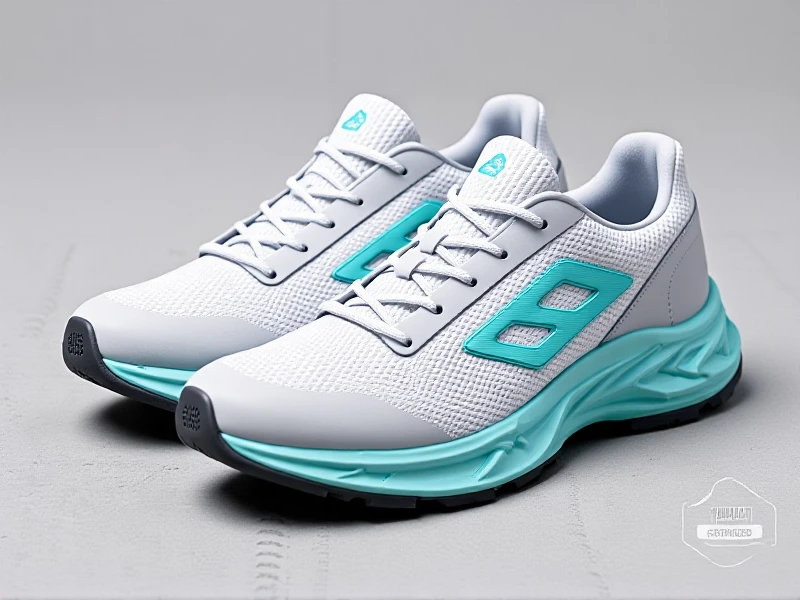
The Ultimate Guide to Choosing Your Perfect Pair of Sports Shoes
Here is an SEO-optimized article (400 words) about sports shoes in English, as requested:
Finding the ideal pair of sports shoes is essential for maximizing performance, preventing injury, and ensuring comfort during any physical activity. With countless styles and technologies available, navigating the options can feel overwhelming. This guide breaks down key factors to help you find the best pair of athletic footwear.
Understanding Different Types of Sports Shoes
Not all sports shoes are created equal. Specific designs cater to unique movements and demands:
- Running Shoes: Prioritize cushioning, shock absorption, and forward motion. Look for responsive midsoles and lightweight uppers.
- Basketball Shoes: Focus on ankle support, lateral stability for quick cuts, and traction for court surfaces. Often higher cut than runners.
- Cross-Training Shoes: Designed for versatility in gym workouts, combining stability for weights with flexibility for agility drills. A great all-rounder.
- Soccer Cleats/Futsal Shoes: Feature studs or patterned soles optimized for traction on natural grass or artificial turf.
- Walking Shoes: Emphasize comfort and support for extended periods, often with greater flexibility in the forefoot.
Core Technologies & Features
Modern sports shoes integrate advanced materials and engineering:
- Cushioning: Materials like EVA foam, Polyurethane, Air units, or Gel absorb impact and provide responsive energy return. Brands like Nike Air, Adidas Boost, and ASICS Gel are well-known examples.
- Support & Stability: Crucial for pronation control (how your foot rolls inward). Look for medial posts, arch support features, or structured heel counters.
- Breathability: Mesh uppers keep feet cool and dry by allowing air circulation, preventing blisters and discomfort.
- Traction: Outsoles with specific rubber compounds and multi-directional patterns ensure grip on various surfaces.
- Fit: Proper sizing (consider length, width, and arch length) and lacing techniques are paramount for performance and injury prevention. Ensure a secure heel lock and sufficient toe box space.
Choosing Your Best Fit
Consider these steps:
- Define Your Activity: What sport or exercise is primary? Buy shoes specifically designed for that action.
- Know Your Foot: Understand your arch type (neutral, low, high) and pronation pattern. Footwear professionals can assist with gait analysis.
- Try Before You Buy: Always try shoes on later in the day when feet are slightly swollen. Wear the socks you intend to use. Walk or briefly jog in-store. Ensure a thumb's width of space at the toe.
- Prioritize Comfort & Support: The best sport shoes feel secure and comfortable from the moment they're on. Don't rely on a "break-in" period eliminating significant discomfort.
- Replace Wisely: Track mileage or hours used. Cushioning and support degrade over time. Replacing worn-out sports shoes is essential for injury prevention and maintaining peak performance.
Investing in the right pair of sports shoes elevates your workout experience, protects your body, and helps you achieve your athletic goals with greater confidence and comfort. Take the time to find the perfect match for your feet and your activities.