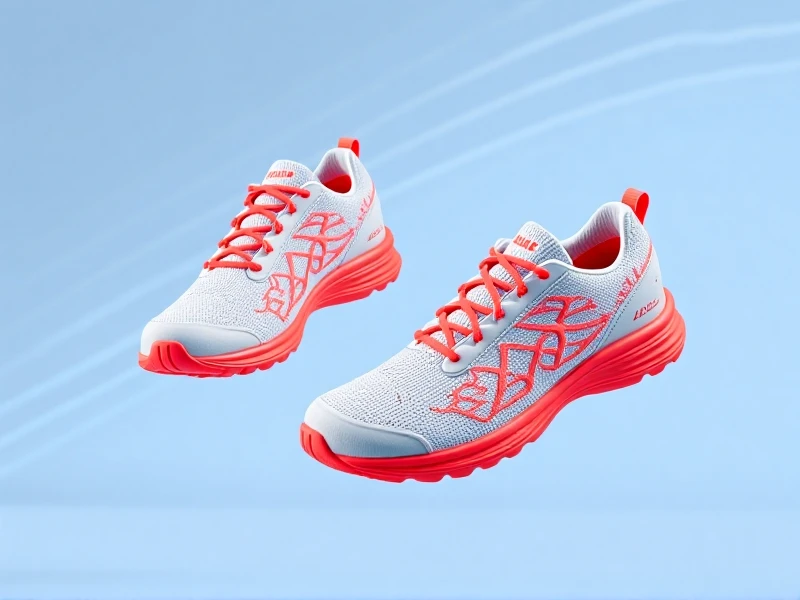
Choosing the Perfect Pair: Your Ultimate Guide to Sports Shoes
Here is the SEO article focusing on "Sports Shoes":
Finding the right sports shoes is crucial for peak performance and injury prevention. Whether you're pounding the pavement, dominating the court, or hitting the gym, the foundation of your athletic pursuits starts with what's on your feet. Understanding key factors ensures you invest wisely in footwear designed for your specific needs.
Sports shoes are engineered for distinct activities. Running shoes provide essential cushioning and shock absorption for forward motion, minimizing impact on joints. Basketball shoes, crucial for indoor surfaces, prioritize ankle support, traction for quick lateral movements, and stability during jumps and landings. Similarly, tennis shoes demand exceptional side-to-side support and durable outsoles for hard courts or clay. Don't compromise by grabbing generic sneakers; shoes designed specifically for your sport offer significant advantages in handling sport-specific stresses.
Beyond the activity, consider your foot mechanics. Are you prone to overpronation (rolling inward), underpronation (rolling outward), or have a neutral gait? Understanding your arch type (high, neutral, low/flat) is equally vital for identifying the required level of stability or motion control within the sports shoe structure. Gait analysis at a specialized store is highly recommended for pinpointing these crucial aspects. The right sports shoes will actively support your natural movement patterns.
Fit is non-negotiable. Your feet swell during exercise, so always try on shoes later in the day. Ensure ample space (about a thumbnail's width) beyond your longest toe to prevent black toenails. The heel should fit snugly without slipping, and the widest part of your foot should comfortably align with the shoe's widest point—your feet shouldn't feel cramped. Prioritize function over aesthetics; a well-fitted sports shoe enhances comfort and power transfer, directly impacting your performance and endurance.
Weight and material matter too. Lightweight sports shoes reduce fatigue during activities like running or high-intensity training but still offer essential support. Breathable mesh uppers keep feet cool and comfortable, minimizing moisture buildup.
Finally, don't ignore longevity! Inspect the outsole tread regularly. Replace worn-down sports shoes promptly—typically every 300-500 miles for runners or when cushioning feels noticeably compressed. Continuing to wear worn-out shoes dramatically increases injury risk. Rotating between multiple pairs can extend each shoe's lifespan.
Investing time in selecting the correct sports shoes is an investment in your athletic journey. Prioritize support, stability, cushioning, and the perfect fit tailored to your foot and your favorite sport. Ready to step up your game? Your ideal pair awaits.